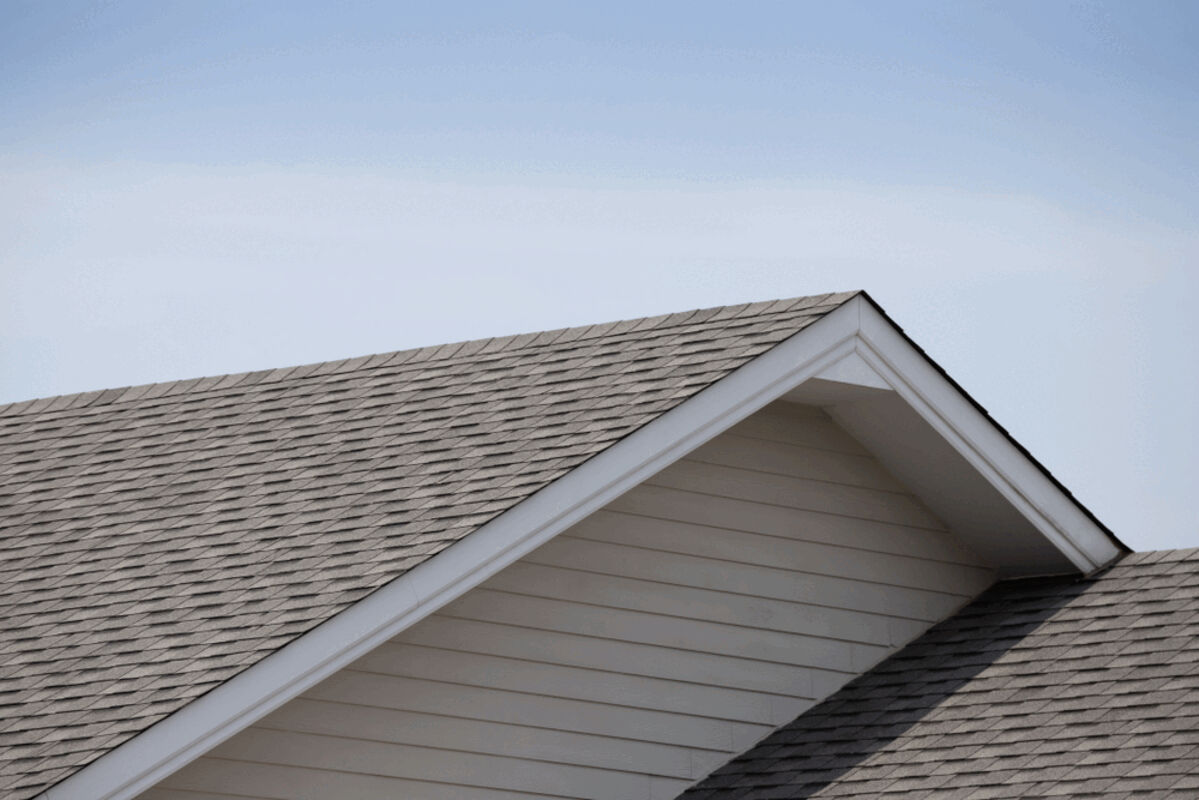
Asphalt shingle roofs, renowned for their durability, affordability, and aesthetic appeal, are a preferred choice among homeowners. However, the phenomenon of rippling—characterized by waves or bulges in the roofing material—can not only detract from the roof’s visual appeal but also signal underlying issues that may compromise its integrity and longevity. Understanding the causes of rippling and implementing measures to prevent this problem is crucial for maintaining the health and functionality of your roof.
Root Causes of Rippling in Asphalt Shingles
Inadequate Ventilation
One of the primary contributors to rippling is poor attic ventilation. Inadequate airflow can lead to excessive heat buildup in the attic space, causing the shingles to expand and contract at an accelerated rate. This thermal cycling puts undue stress on the roofing material, eventually leading to distortion and rippling.
Improper Installation
The skill and attention to detail during the installation process significantly impact the performance and appearance of asphalt shingle roofs. Mistakes such as improper nailing techniques, incorrect shingle alignment, or the failure to adhere to manufacturer guidelines can result in uneven surfaces and rippling.
Moisture Intrusion
Water infiltration into the roof deck can cause the wooden structure to swell, creating an uneven base for the shingles. This moisture can originate from leaks, condensation within the attic, or damaged underlayment, emphasizing the importance of a watertight roofing system.
Structural Issues
Underlying structural problems, such as inadequate support or settling foundations, can also manifest as rippling in the roof’s surface. These issues require thorough evaluation and correction by structural engineering professionals to ensure the safety and stability of the home.
Preventative Strategies and Solutions
Ensuring Proper Ventilation
A well-designed attic ventilation system is essential for regulating temperatures and moisture levels. Incorporating ridge vents, soffit vents, and other ventilation solutions can help minimize thermal cycling and moisture accumulation, safeguarding the roof against rippling.
Selecting a Qualified Contractor
The expertise of the roofing contractor plays a vital role in preventing installation-related issues. Tycos Roofing and Siding , based in Wilmington, DE, exemplifies excellence in roofing installation and maintenance. Our team, certified by leading manufacturers such as GAF, Tamko, and CertainTeed, adheres to the highest standards of quality, ensuring each project is completed with precision and care.
Regular Maintenance and Inspections
Routine maintenance and professional inspections can identify and address potential issues before they escalate. Homeowners should schedule annual inspections to assess the condition of their roof, paying close attention to ventilation, moisture levels, and overall structural integrity.
Addressing Moisture and Structural Concerns
Promptly repairing leaks, improving attic insulation, and ensuring proper drainage can mitigate moisture-related problems. For structural issues, consulting with a professional engineer or a reputable contractor experienced in structural repairs is crucial.
Conclusion
Rippling in asphalt shingle roofs, while concerning, can often be prevented through proper installation, adequate ventilation, and ongoing maintenance. By understanding the underlying causes and implementing preventative measures, homeowners can extend the lifespan and enhance the performance of their asphalt shingle roof. Trus ting in the expertise of seasoned professionals like Tycos Roofing and Siding ensures your roofing project is in capable hands, guided by our unwavering commitment to quality and excellence.
Subscribe to Tycos Roofing And Siding Inc's Blog





Comments