We’re all thinking about protecting our skin from the sun. But what about your home’s biggest shield: your roof? Intense heat and powerful UV rays can literally give your roof a kind of “sunburn” called heat blistering, which can seriously compromise its integrity.
At Tycos Roofing & Siding, your trusted roofing contractor in Wilmington, DE , we want to help you understand this often-overlooked threat and how to keep your roof healthy, especially during those scorching months in South Jersey , Pennsylvania , Maryland , and the Delaware Valley .
A Quick Look: Your Roof’s Layers
To understand blistering, it helps to know what’s under your shingles:
- Roof Deck: This is the strong wooden foundation (usually plywood) that supports everything above it.
- Underlayment: A protective, water-resistant layer laid over the deck, acting as a secondary barrier against moisture.
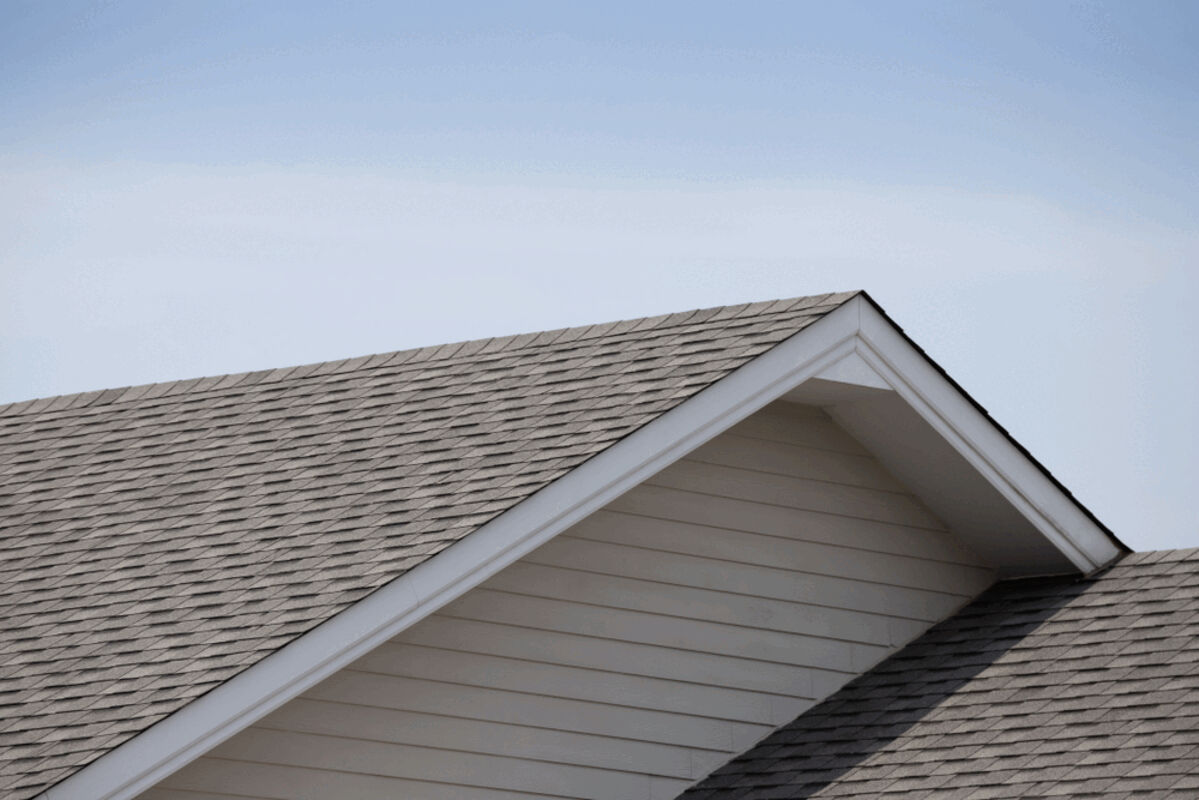
- Shingles: The outermost, visible layer. While many roofing materials exist, asphalt shingles are particularly prone to heat blistering if conditions are right.
The “Sunburn” Process: How Heat Blistering Happens
Heat blistering occurs when excessive heat combines with trapped moisture and poor ventilation within your roof system. Here’s the simplified breakdown:
- Heat Buildup: Your roof absorbs a lot of solar energy.
- Trapped Moisture: Any moisture, whether from humidity or minor leaks, gets trapped between the layers.
- Expansion & Bubbles: This trapped moisture, superheated, tries to escape, causing the shingles to bubble up.
- Blistering & Compromise: These bubbles (blisters) eventually burst, creating small holes or weak spots. This is a direct pathway for rainwater to interact with nail heads, penetrate the roof deck , and lead to leaky roof repair needs and water damage repair inside your home.
Proactive Steps to Protect Your Roof from Blistering
The good news is that heat blistering is largely preventable with the right strategies:
- Prioritize Proper Ventilation: This is perhaps the most crucial step! Adequate attic ventilation ensures a continuous flow of air, regulating your attic and roof’s temperature. This prevents heat and moisture from getting trapped, drastically reducing the risk of blistering and extending the life of your roofing materials . We can assess your current ventilation systems and recommend baffles for insulation if needed.
- Schedule Regular Roof Inspections: Especially after periods of intense heat or severe weather, a professional roof inspection is vital. Early detection of any curling shingles , granule loss , or small blisters allows for timely roof repair before issues escalate into a full roof replacement or extensive storm damage restoration .
- Invest in Quality Materials and Installation: Choosing high-quality asphalt roofing or other energy-efficient roofing materials designed to withstand UV exposure and high temperatures is key. Equally important is professional roof installation by a certified roofing contractor . Proper techniques ensure the roof system is equipped to handle the elements from day one.
Your Partner in Roof Health: Tycos Roofing & Siding
At Tycos Roofing & Siding, we’re not just experts in roof installation and roof repair ; we’re dedicated to educating homeowners on how to maintain their roof’s health year-round. Our team, with extensive certifications from leading manufacturers like GAF, Owens Corning, CertainTeed, and Tamko, understands the nuances of climate impact on roofing systems .
We are committed to providing top-tier home improvement and construction services, ensuring your roof is robust and resilient.
Don’t let your roof get a “sunburn” this summer! Contact Tycos Roofing & Siding today for a free consultation and a comprehensive roof inspection to safeguard your home.
Subscribe to Tycos Roofing And Siding Inc's Blog





Comments