As the snow melts and the days lengthen, spring heralds a time of renewal and rejuvenation. It also signals a crucial period for homeowners to turn their attention to the health of their roofs. After enduring the harsh conditions of winter, a thorough spring roofing inspection becomes imperative to ensure the longevity and integrity of your home’s protective barrier. Tycos Roofing and Siding, based in Wilmington, DE, and renowned for our commitment to quality, derived from high intention, sincere effort, intelligent direction, and skillful execution, presents a detailed guide to conducting a comprehensive spring roof inspection.
Step 1: Start with an Interior Check
Before venturing outside, begin your inspection from within. Venture into your attic or uppermost floor on a sunny day, and look for signs of light penetration through the roof. This simple step can reveal punctures or thinning areas that need attention. Additionally, check for stains or streaks on the underside of the roof sheathing, indicating water intrusion.
Step 2: Conduct a Ground-Level Exterior Survey
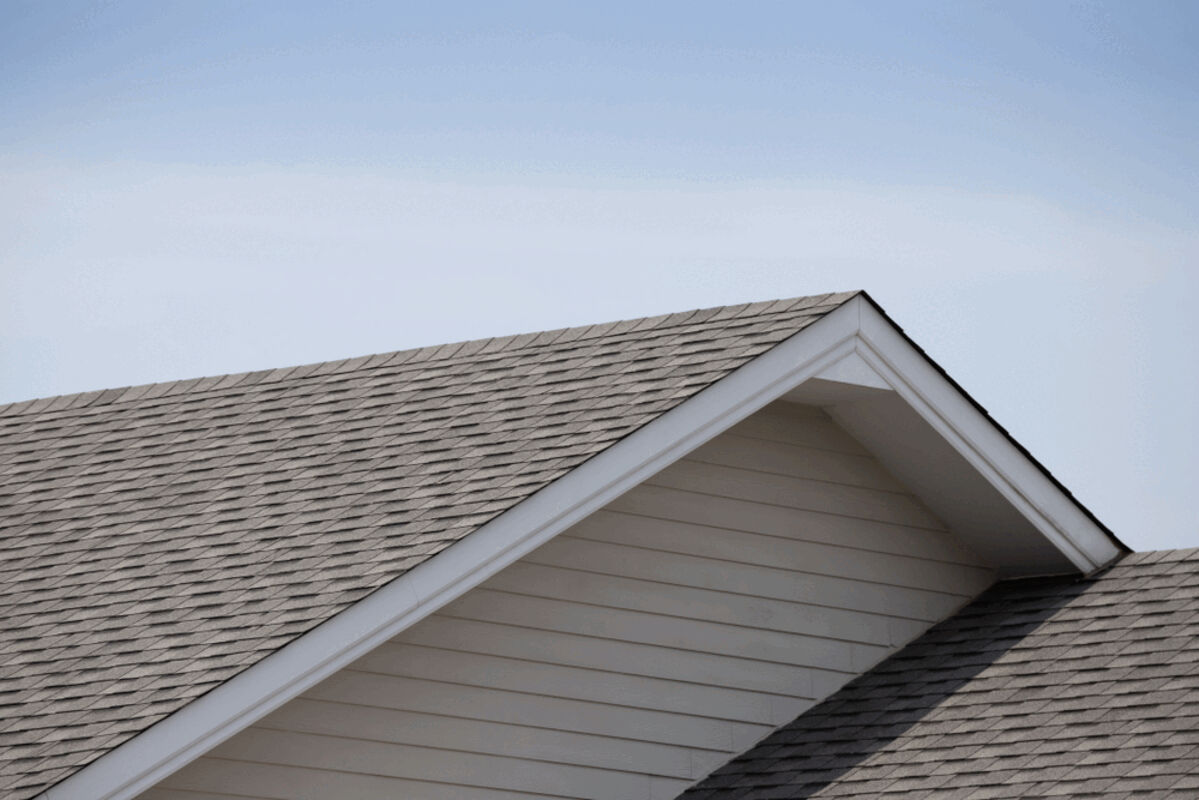
Safety should always be your primary concern. Conduct an initial assessment from the ground, using binoculars to examine your roof. Look for missing, damaged, or lifting shingles that could signal wear or storm damage. This preliminary survey helps identify obvious issues without the need for a ladder.
Step 3: Inspect the Gutters and Downspouts
Gutters and downspouts are critical to your roof’s drainage system. Ensure they are securely attached, free from debris, and in good working order. Spring, with its propensity for heavy rains, underscores the importance of a well-functioning drainage system to prevent water damage.
Step 4: Examine the Flashing
Flashing, the material that seals and protects the seams around roof features such as chimneys, vents, and skylights, requires careful inspection. Look for signs of lifting, rusting, or cracks, which could compromise your roof’s waterproof barrier.
Step 5: Check Ventilation Outlets
Proper roof and attic ventilation prevent heat and moisture accumulation that can lead to roof deterioration or ice damming in colder months. Ensure all vents are clear of obstructions and functioning correctly to extend the life of your roof and maintain indoor comfort.
Step 6: Schedule a Professional Inspection
While DIY inspections are valuable, the expertise of a professional roofing contractor is irreplaceable. Certified professionals from Tycos Roofing and Siding can identify less obvious issues, provide detailed assessments, and recommend precise solutions. Our extensive experience and certifications, including partnerships with Tamko, Firestone, GAF, Owens Corning, Carlisle, CertainTeed, and Sheffield Metals International, equip us to handle all roofing challenges.
Why a Spring Inspection Matters
A post-winter inspection is vital for several reasons:
Prevents Minor Issues from Escalating : Early detection allows for timely repairs, preventing minor problems from becoming major, costly ones.
Ensures Warranty Compliance : Regular maintenance is often a condition of roofing warranties. Keeping up with inspections helps maintain coverage.
Enhances Roof Longevity: Proactive care extends the life of your roof, ensuring it continues to protect your home efficiently.
Conclusion
Spring roofing inspections are a cornerstone of responsible homeownership. They safeguard against the latent damage winter may inflict, ensuring your home remains protected, comfortable, and dry. Tycos Roofing and Siding is your partner in this endeavor, offering un matched expertise and dedication to preserving the safety and value of your home. Let us guide you through the process, ensuring your roof is prepared to face the seasons ahead.
Subscribe to Tycos Roofing And Siding Inc's Blog





Comments