Roof ventilation is an integral component of a home’s roofing system, ensuring the longevity of the roof and the comfort of the home’s interior. This article delves into the significance of roof ventilation, its various types, and its benefits, providing homeowners with the knowledge they need to make informed decisions about their roofing needs.
Understanding Roof Ventilation
Roof ventilation involves the circulation of air in and out of a home’s attic or roof space. This process is crucial for regulating the temperature and moisture levels within the attic, preventing a range of issues that can compromise both the structure of the roof and the overall comfort of the home.
Types of Roof Vents
There are several types of roof vents, each designed to suit different roofing structures and ventilation needs. These include:
Ridge Vents : Installed along the roof’s ridge, these vents allow for continuous air flow along the roof’s peak, making them efficient for removing heat and moisture.
Soffit Vents : Positioned under the roof’s overhang, soffit vents draw fresh air into the attic, working in conjunction with ridge vents to promote effective air circulation.
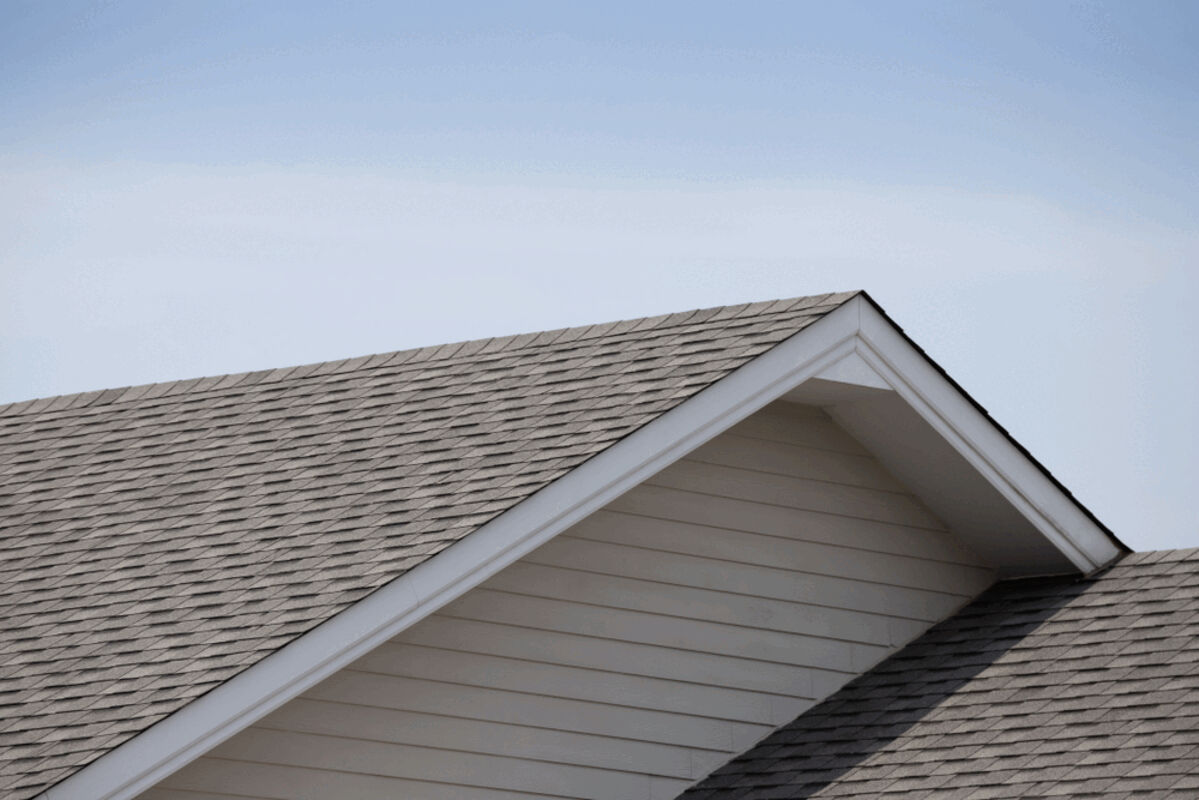
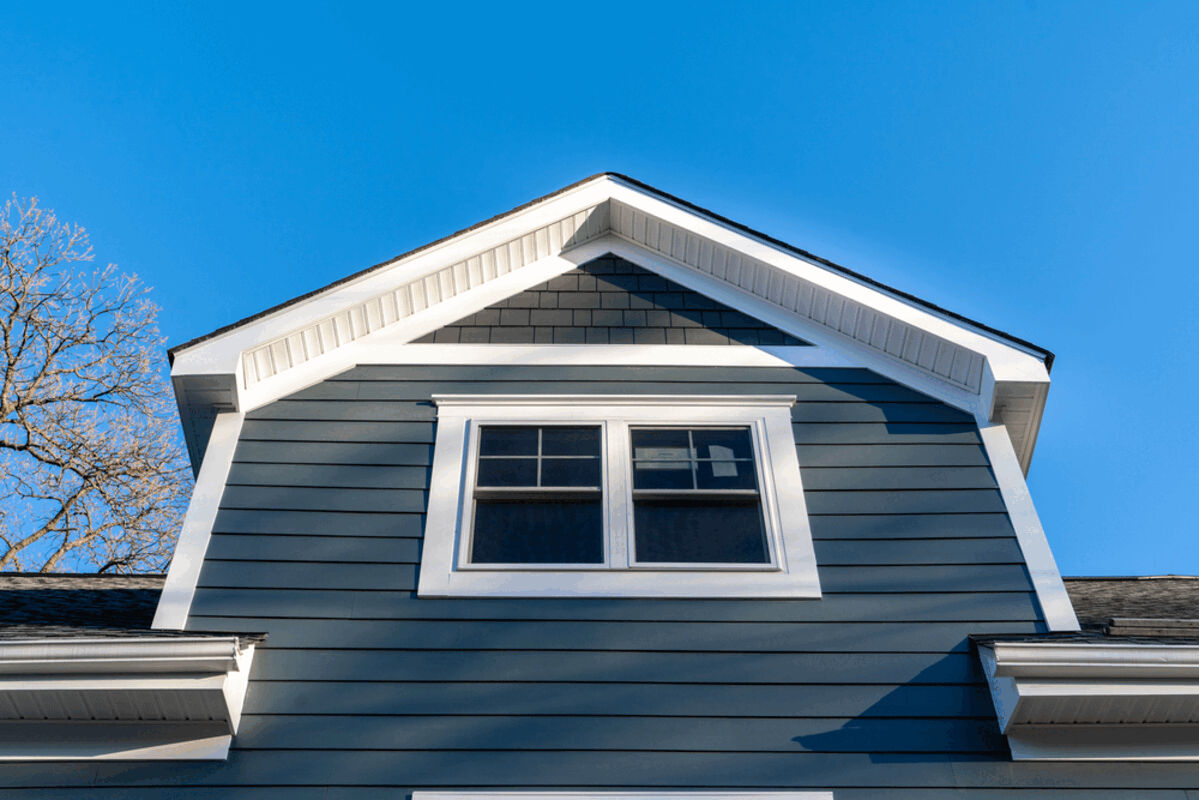
Gable Vents : Installed at the gable ends of a house, these vents allow for cross ventilation, helping to remove hot air from the attic.
Powered Ventilators : These electric or solar-powered vents actively expel hot air from the attic, providing a more aggressive approach to roof ventilation.
The Benefits of Proper Roof Ventilation
Adequately ventilated roofs offer numerous benefits, including:
Temperature Regulation : By allowing hot air to escape during the summer and preventing the buildup of moist air in the winter, roof vents help maintain a more consistent and comfortable indoor temperature.
Moisture Control: Effective ventilation reduces the risk of moisture accumulation, protecting against mold growth, wood rot, and insulation damage.
Energy Efficiency : Proper ventilation helps reduce the workload on heating and cooling systems, potentially lowering energy costs.
Roof Longevity : By preventing ice dam formation and reducing heat buildup under the roof, ventilation extends the lifespan of roofing materials.
Tycos Roofing and Siding: Committed to Excellence in Roofing
At Tycos Roofing and Siding, located in Wilmington, DE, we understand that quality is the result of high intention, sincere effort, intelligent direction, and skillful execution. Our expertise is backed by certifications from industry leaders, including Tamko, Firestone, GAF, Owens Corning, Carlisle, and Certainteed, making us a preferred choice for homeowners seeking top-notch roofing solutions. Whether it’s installing state-of-the-art ventilation systems or providing comprehensive roofing services, our goal is to ensure the highest standards of quality and durability for your home.
Conclusion
The importance of roof ventilation cannot be overstated. It plays a pivotal role in protecting the structural integrity of your roof, enhancing energy efficiency, and ensuring the comfort of your home. As a homeowner, investing in proper roof ventilation is a wise decision that pays off in the long term. At Tycos Roofing and Siding , we are dedicated to providing our clients with the highest quality roofing services, ensuring that your home remains safe, comfortable, and efficient for years to come.
Subscribe to Tycos Roofing And Siding Inc's Blog




Comments