Hailstorms, with their unpredictable nature, present a significant threat to residential properties, potentially inflicting severe damage to roofs, siding, and other external features. The aftermath of such weather events necessitates a thorough inspection to assess and address the damage promptly. This guide offers an in-depth look at the implications of hail damage, highlighting the need for vigilant assessment and timely intervention.
The Variable Nature of Hail Impact
The extent of hail damage is influenced by several factors, each contributing to the degree of harm inflicted on your property. Understanding these variables is crucial for accurately assessing the damage and planning the appropriate response.
Wind Dynamics
Wind plays a pivotal role during hailstorms, with its variable speed and direction affecting where and how hail impacts your property. This sporadic nature can result in significant damage to one home while sparing adjacent properties, underscoring the localized severity of hail damage.
Hail Size and Density
The dimensions and density of hailstones directly correlate with the potential for damage. Larger, denser hailstones possess the force to cause more extensive harm to roofing materials and siding, compromising the integrity of your home’s exterior.
Natural and Structural Barriers
The presence of barriers such as trees, fences, and neighboring structures can mitigate the effects of hail, serving as shields that protect your property from direct hits. These natural and man-made defenses can lessen the extent of damage, but they also highlight the randomness of hailstorm impacts.
Identifying Signs of Hail Damage
Post-hailstorm, conducting a detailed inspection of your property is imperative. While some signs of damage may be visible from the ground, a comprehensive assessment often requires a closer look. Here are the most common indicators of hail damage:
Roof Damage
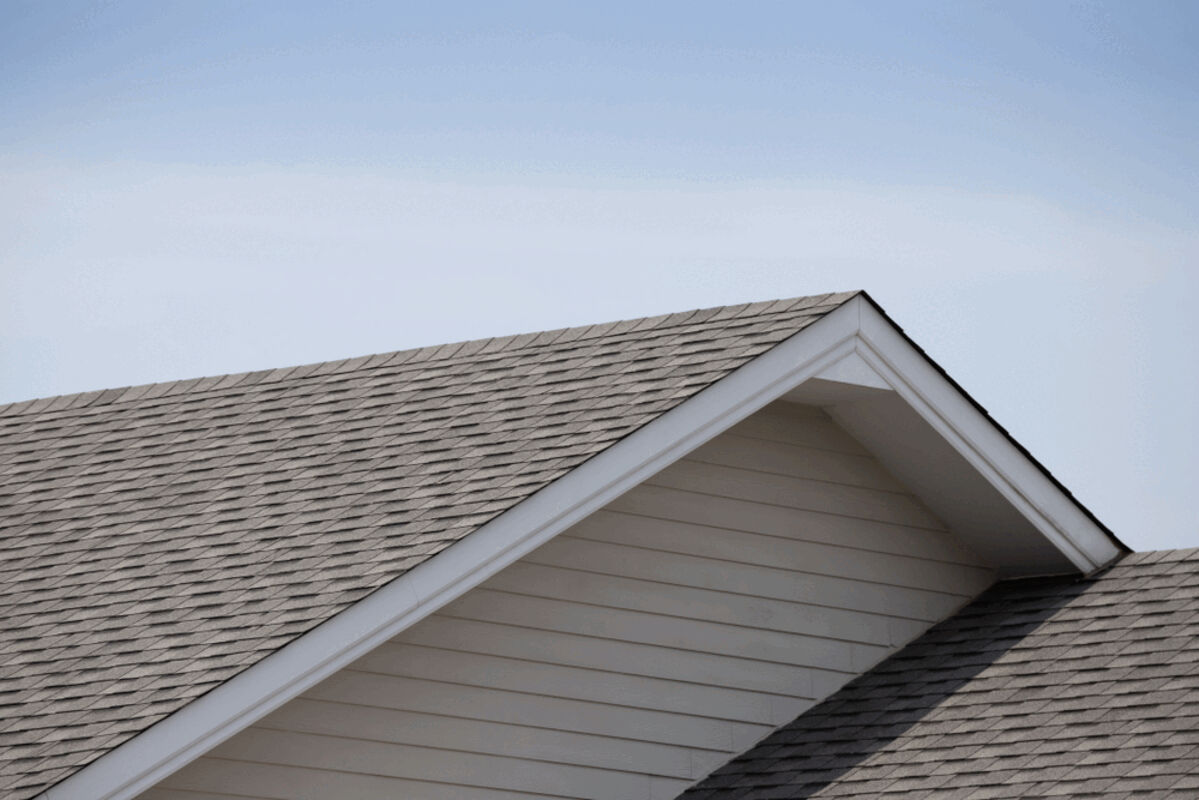
Missing Granules : Hail impact can dislodge the granules from asphalt shingles, exposing the underlying material to further weather-related deterioration.
Dents and Bruising: Hailstones can cause dents or bruises on shingles, which may not immediately compromise the shingle’s functionality but can lead to premature aging.
Shingle Tears or Lifting: The force of hail can tear or lift shingles, compromising the roof’s water-shedding capabilities and exposing the structure to potential leaks.
Gutter Damage
Inspecting the gutters for dents and dings is crucial following a hailstorm. Damage to gutters, although often considered minor, can predict more significant issues, affecting the drainage system’s efficiency and potentially leading to water-related damages to the property’s foundation and landscape.
Siding Damage
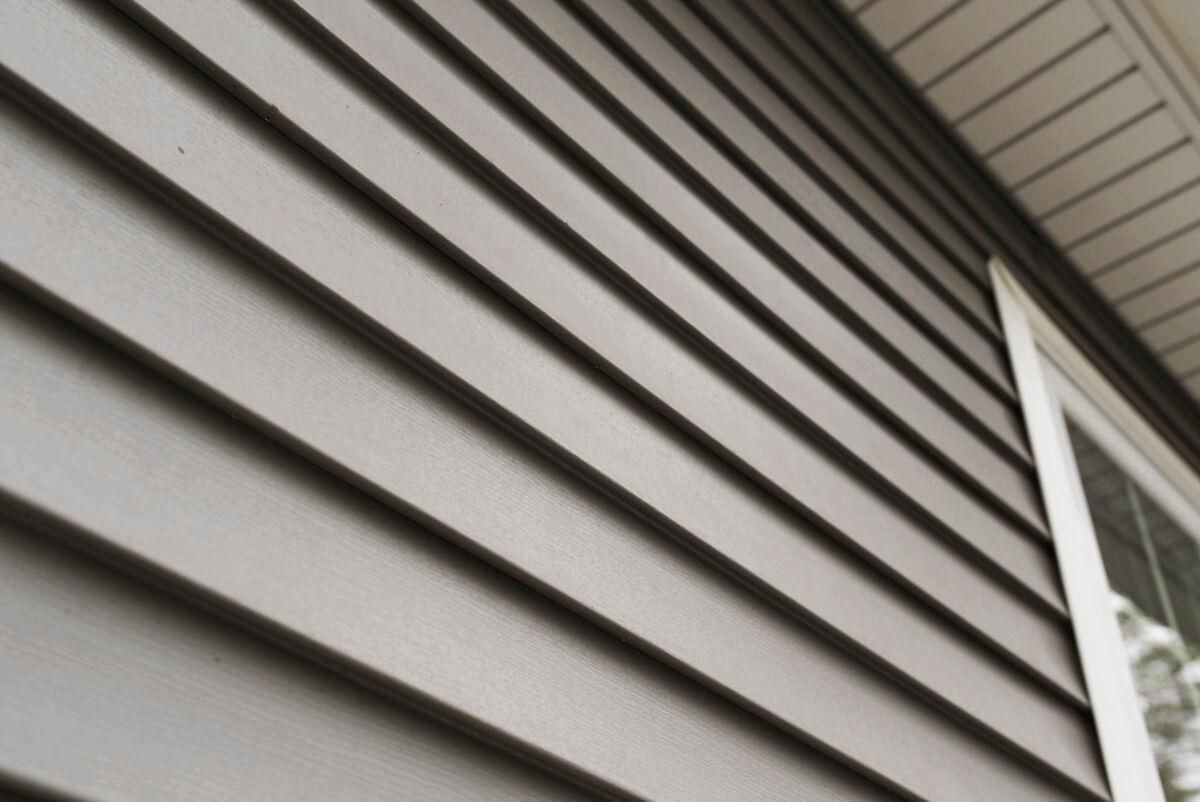
Siding is built to withstand various weather conditions, but intense hailstorms can leave their mark. Visible dents, cracks, or breaks in the siding material not only detract from the aesthetic appeal of your home but also weaken its protective barrier against weather elements.
Professional Assessment and Repair
In the event of hail damage, seeking professional advice is essential. Tycos Roofing and Siding , located in Wilmington, DE, stands ready to assist with a free, comprehensive damage assessment. Our expertise, rooted in a mission of delivering quality through sincere effort and skillful execution, ensures that your property receives the attention it deserves. Certified by industry leaders such as Tamko, Firestone, and GAF, our team is equipped to address hail damage effectively, ensuring the longevity and safety of your home.
Conclusion
The aftermath of a hailstorm requires immediate attention to prevent further damage to your property. By recognizing the signs of hail damage and understanding its implications, homeowners can take proactive steps towards repair and restoration. Partnering with experienced professionals like Tycos Roofing and Siding guarantees a thorough assessment and high-quality repairs, safeguarding your home against future weather challenges.
Subscribe to Tycos Roofing And Siding Inc's Blog





Comments