When it comes to home improvement and maintenance, understanding the jargon used by professionals can greatly enhance your ability to make informed decisions. This guide aims to demystify the terms commonly associated with siding, providing homeowners with the knowledge needed to discuss projects confidently and understand the proposals and work being done on their homes.
Comprehensive Guide to Siding Materials and Techniques
Siding Materials
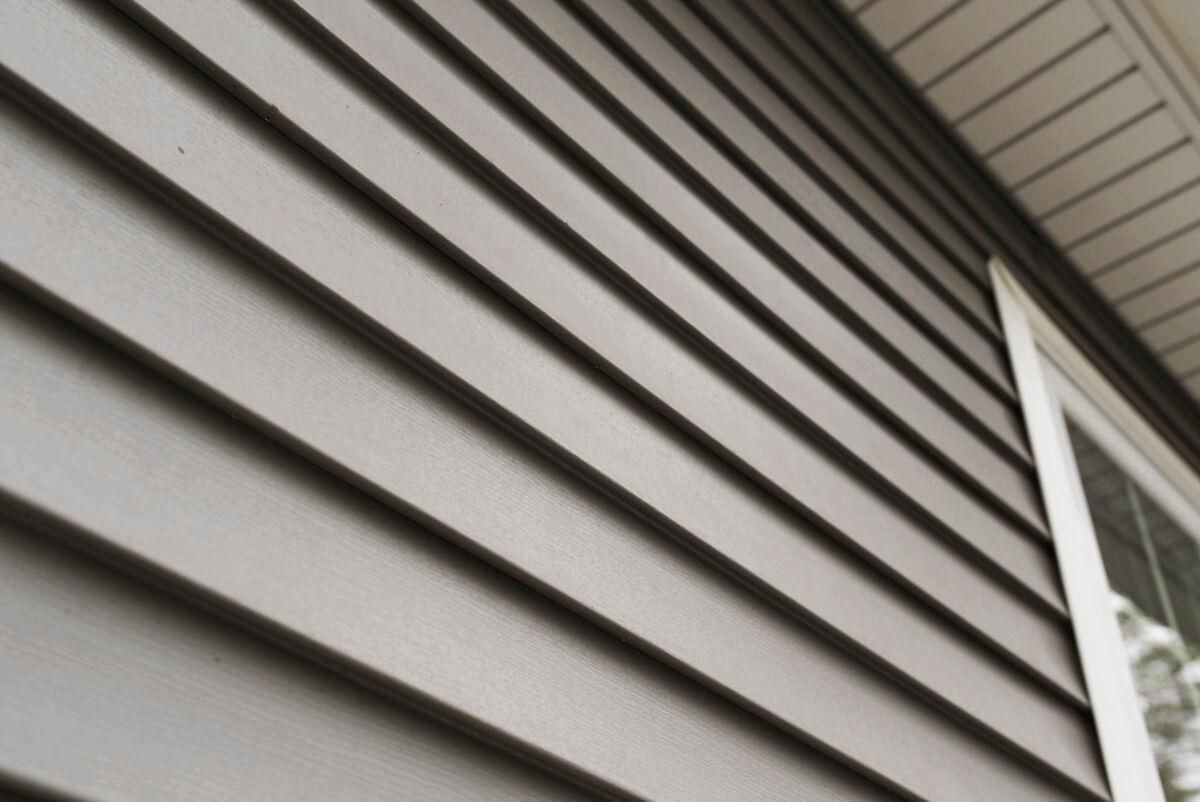
Vinyl Siding : A durable, low-maintenance material that is popular for its wide range of colors and textures. It’s resistant to pests and moisture, making it a cost-effective choice for many homeowners.
Fiber Cement Siding : Known for its resilience against fire, termites, and rot. Fiber cement siding offers the appearance of wood, stucco, or masonry with significantly less maintenance.
Wood Siding: Offers a classic and timeless look. Available in various styles such as clapboard, shingles, and shakes. While beautiful, it requires regular maintenance to prevent damage from moisture and insects.
Metal Siding: Typically made from aluminum or steel, metal siding is durable, fire-resistant, and recyclable. It’s a great choice for modern architectural styles.
Installation Terms
Cladding: The application of one material over another to provide a skin or layer intended to control the infiltration of weather elements, or for aesthetic purposes.
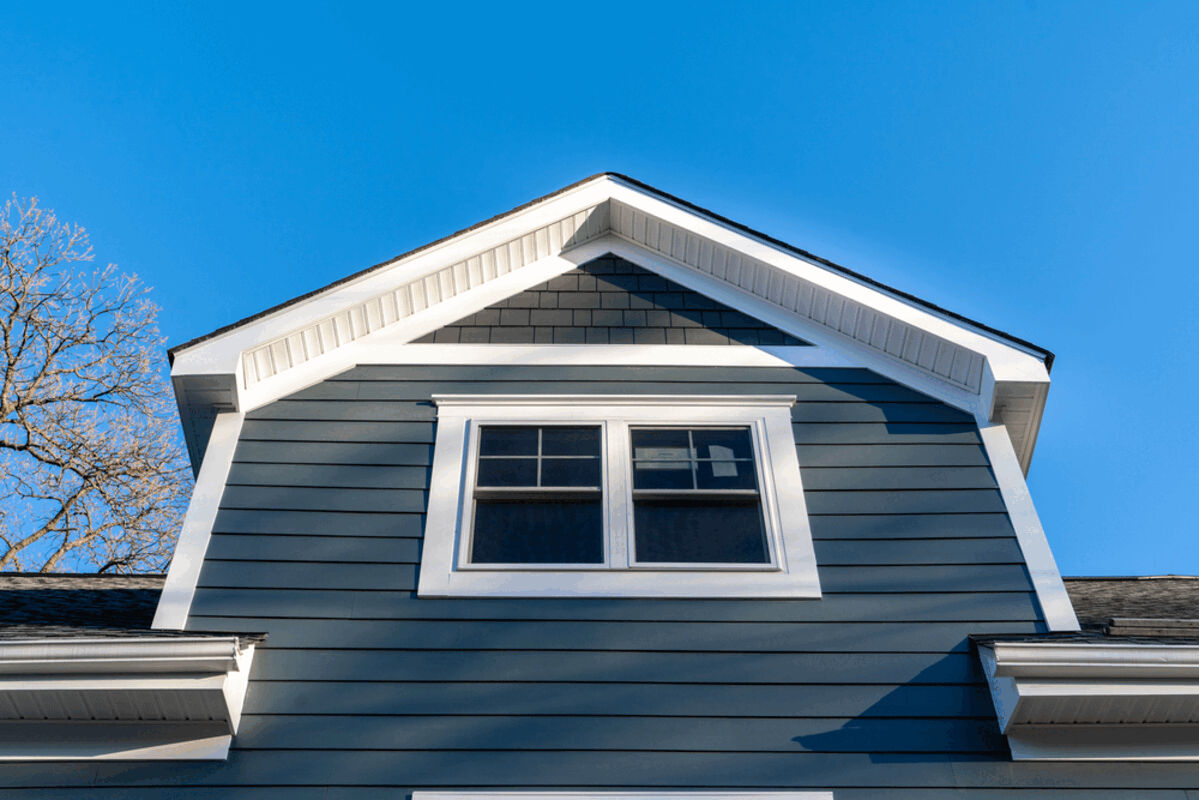
Soffit: This pertains to the substance that constructs a ceiling, extending from the upper part of an external house wall to the outer extremity of the roof, connecting the space between a residence’s siding and roof edge.
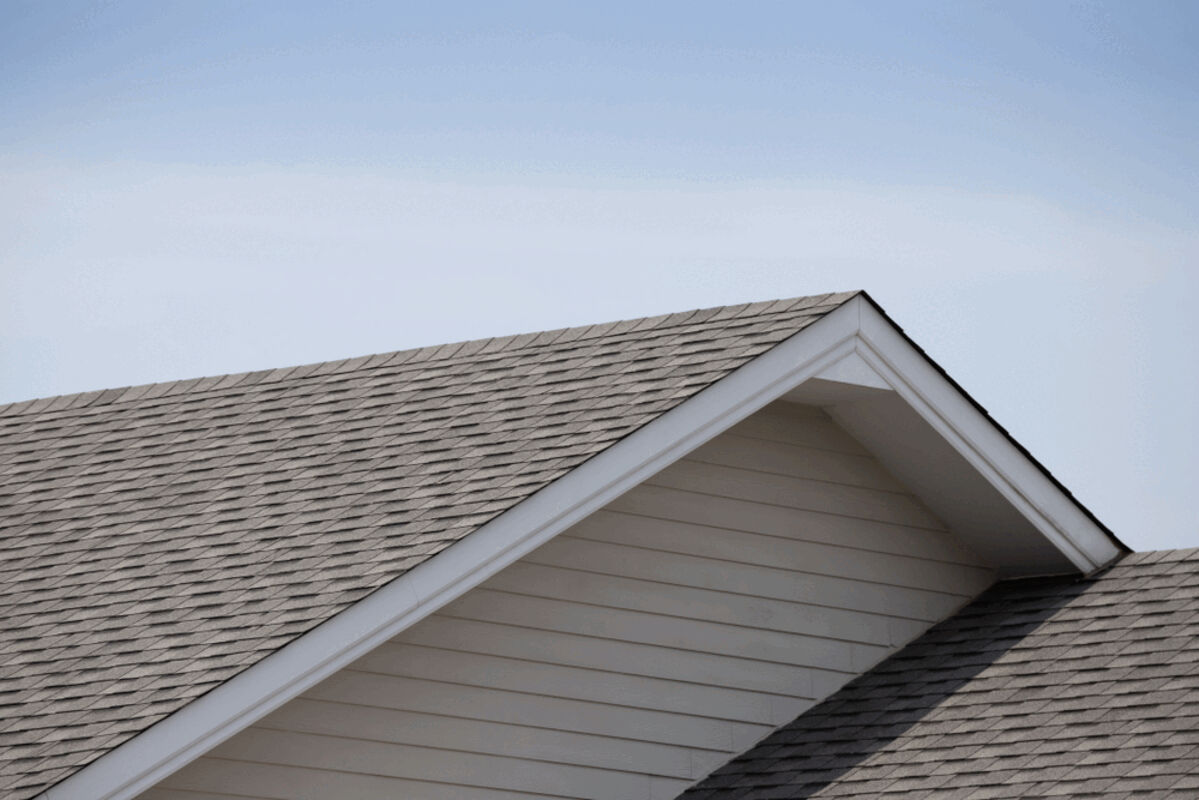
Fascia : A vertical finishing edge connected to the ends of the rafters, trusses, or the area where the gutter is attached to the roof. It plays an important role in protecting the roof and the interior of the house from moisture by blocking its entrance.
Flashing: Materials used to prevent the passage of water into a structure from a joint or as part of a weather-resistant barrier system. It is critical in preventing water damage around windows, doors, and other vulnerable areas.
Performance and Aesthetic Enhancements
Insulation and Energy Efficiency
Upgrading or installing new siding can significantly improve a home’s insulation, reducing energy costs and increasing comfort. Materials like insulated vinyl siding or adding a layer of external insulation before installing the new siding can enhance thermal performance.
Curb Appeal and Property Value
The exterior of your home is the first impression it makes. Choosing the right siding material and color can drastically improve your home’s curb appeal, potentially increasing its market value. Consider the architectural style of your home and the surrounding environment when selecting siding to ensure it complements your home’s overall aesthetic.
Durability and Maintenance
The longevity of your siding depends on the material chosen and the quality of installation. Products from top-rated brands such as Certainteed, known for their Select Shingle Master certification, ensure high-quality materials that stand the test of time. Tycos Roofing and Siding, located in Wilmington, DE, embodies the ethos of quality craftsmanship, leveraging certifications from industry leaders like GAF, Owens Corning, and Firestone to deliver exterior solutions that marry aesthetic appeal with enduring quality.
Conclusion
Siding plays a pivotal role in the appearance, protection, and energy efficiency of your home. Understanding key siding terms helps homeowners navigate their options and make decisions that align with their aesthetic preferences, maintenance willingness, and budget. Whether planning a renovation or building a new home, the right knowledge and partnering with certified professionals like Tycos Roofing and Siding can ensure that your siding investment enhances your home’s value and beauty for years to come.
Subscribe to Tycos Roofing And Siding Inc's Blog




Comments