In the realm of household upkeep, the roof plays a vital role, yet it’s frequently disregarded—an unsung hero protecting against weather extremes. Grasping the details of roof inspections empowers homeowners to enhance maintenance and prolong roof lifespan. Tycos Roofing and Siding, based in Wilmington, DE, renowned for its commitment to quality through skillful action and experience, delves into the fundamentals of roof inspections, elucidating what homeowners should anticipate and how to get ready.
The Importance of Regular Roof Inspections
Roof inspections are not just about identifying current problems; they’re a proactive measure to prevent future issues. These evaluations are crucial for detecting early signs of wear and tear, ensuring your roof continues to provide optimal protection. Regular inspections can save homeowners significant amounts in potential repair costs by addressing minor issues before they escalate.
What Happens During a Roof Inspection?
Exterior Evaluation
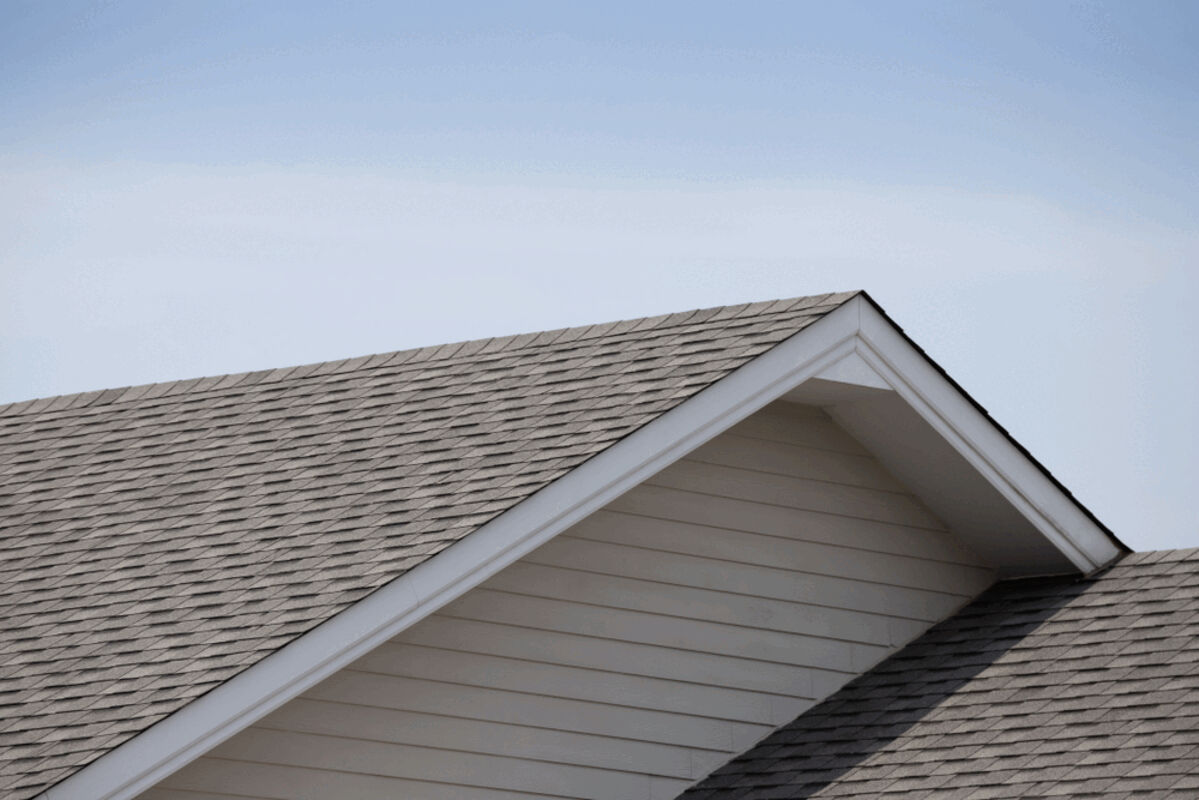
Shingles and Roofing Material : The inspector assesses the condition of the shingles or other roofing materials for signs of wear, such as curling, blistering, or missing pieces.
Structural Integrity : The roof’s overall structure is examined for signs of sagging or uneven roof planes, which could indicate underlying problems.
Gutters and Downspouts : Ensuring these elements are properly attached and free from debris is essential for water to be effectively diverted away from the roof and foundation.
Interior Evaluation
Attic Inspection : Ventilation and insulation are key factors in maintaining a roof’s health. Inspectors look for proper airflow to prevent moisture accumulation and ensure insulation is correctly installed.
Signs of Water Damage: Stains, mold, or mildew in the attic or on the ceiling can indicate leaks that need to be addressed immediately.
Additional Assessments
Flashing : The seals around roof penetrations, such as chimneys, vents, and skylights, are inspected for damage or leaks.
Drainage Systems : Proper roof drainage is vital. Inspectors check for the efficient removal of water, which helps prevent pooling and leaks.
Preparing for a Roof Inspection
Accessibility : Ensure the roof and attic are easily accessible for the inspector.
Documentation : Gather any previous roof inspection reports or warranty information, which can provide valuable context for the current inspection.
Questions and Concerns: Be ready to discuss any issues you’ve noticed or specific areas of concern you’d like the inspector to focus on.
Post-Inspection: Understanding the Report
After the inspection, homeowners receive a detailed report outlining the inspector’s findings, including any recommended repairs or potential concerns. This report is invaluable for planning maintenance, budgeting for repairs, or preparing for a roof replacement.
Why Choose Tycos Roofing and Siding for Your Roof Inspection
At Tycos Roofing and Siding, our approach to roof inspections is grounded in our comprehensive understanding of roofing systems and our unwavering dedication to quality. Our team’s expertise, supported by certifications from leading manufacturers and a commitment to using the latest technologies, ensures thorough and accurate assessments. We not only identify immediate repair needs but also offer guidance on long-term roof maintenance, aligning with our ethos of skillful execution and intentional direction.
Conclusion
A roof inspection is a vital component of home maintenance, offering peace of mind and ensuring the longevity of your roof. With Tycos Roofing and Siding, homeowners have a reliable partner ready to provide expert evaluations and actionable insights, reinforcing the value of proactive roof care. Trust us to help maintain the integrity of your home’s first line of defense against the elements.
Subscribe to Tycos Roofing And Siding Inc's Blog



Comments